For generations, the traditional view of the animal kingdom was one of reactive machines—creatures driven solely by instinct and immediate survival. We observed them, we categorized them, but we rarely gave them credit for the rich, complex inner worlds they possess.
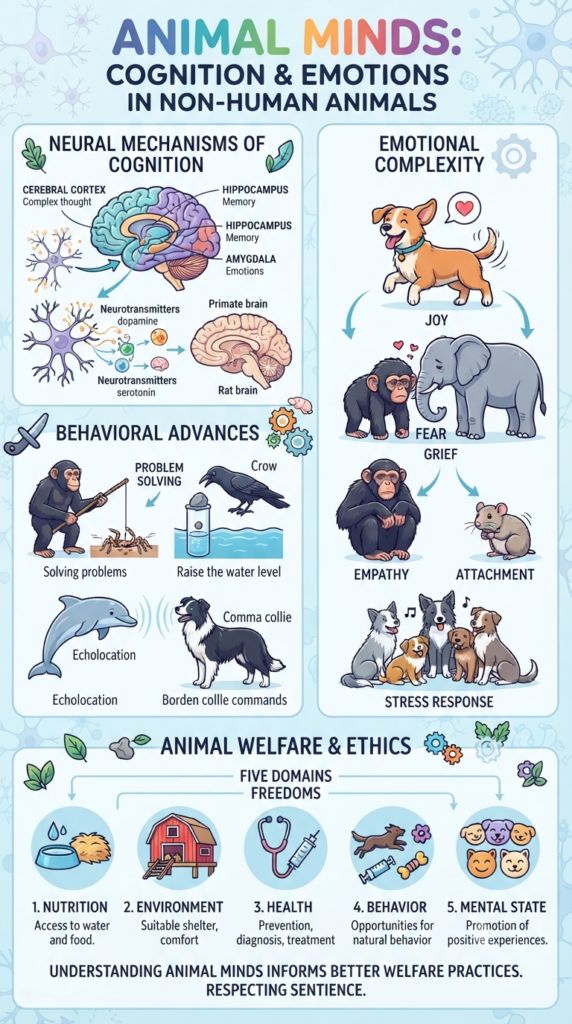
Today, that paradigm is shifting. As seen in the latest research, a fascinating convergence of affective neuroscience, comparative cognition, and animal welfare science is revealing a startling truth: animals are not just reactive; they are feeling, thinking beings whose emotional lives are intimately tied to their cognitive abilities.
The Brain as a Theater of Emotion
At the heart of this discovery is the realization that emotions in non-human animals—ranging from vertebrates to invertebrates—are not merely fleeting responses to stimuli. Instead, they are central to how animals perceive the world, learn, and make decisions.
When we look under the hood at neural mechanisms, we find that the same structures that drive our own experiences—such as those managing memory, attention, and judgment—are hard at work in animals. Whether it is a primate tackling a complex problem or a dog reading human facial signals, these cognitive feats are filtered through an emotional lens. These processes modulate how an animal evaluates its environment, influencing their behavior in both the short and long term.
Complexity Beyond Our Expectations
If you have ever watched a dog exhibit joy, a chimp display empathy, or an elephant seemingly experience grief, you have witnessed the depth of affective consciousness. These aren’t just anthropomorphic projections; they are reflections of a shared evolutionary heritage of emotion.
Recent studies are now utilizing innovative, non-invasive methodologies to map these states, moving away from subjective guessing to objective scientific assessment. We are learning that things like judgment bias—how an animal perceives a situation based on their current mood—can be measured scientifically. This confirms that emotions directly impact an animal’s ability to navigate their world.
The Ethical Imperative: Why It Matters
This growing body of knowledge does more than satisfy our scientific curiosity; it fundamentally changes our moral responsibility toward animals. If we accept that animals experience complex emotional states, then “welfare” must evolve from simply providing basic physical needs to actively promoting positive mental states.
Understanding the cognition-emotion interface allows us to:
- Design better enrichment: Creating environments that challenge and engage animals rather than just housing them.
- Improve training and care: Recognizing how stress and positive reinforcement impact an animal’s learning capacity.
- Foster conservation: Applying our knowledge of animal sentience to protect species in ways that respect their emotional and psychological integrity.
As we continue to decode the “minds” of our fellow inhabitants on Earth, one thing is becoming increasingly clear: the more we understand about their ability to think and feel, the more vital it becomes to treat them with the respect and consideration their sentience demands.
The future of animal welfare isn’t just about survival; it’s about honoring the complexity of the life they lead.
The Hidden Hydrogen Beneath Our Feet: Unlocking Earth’s Natural Energy
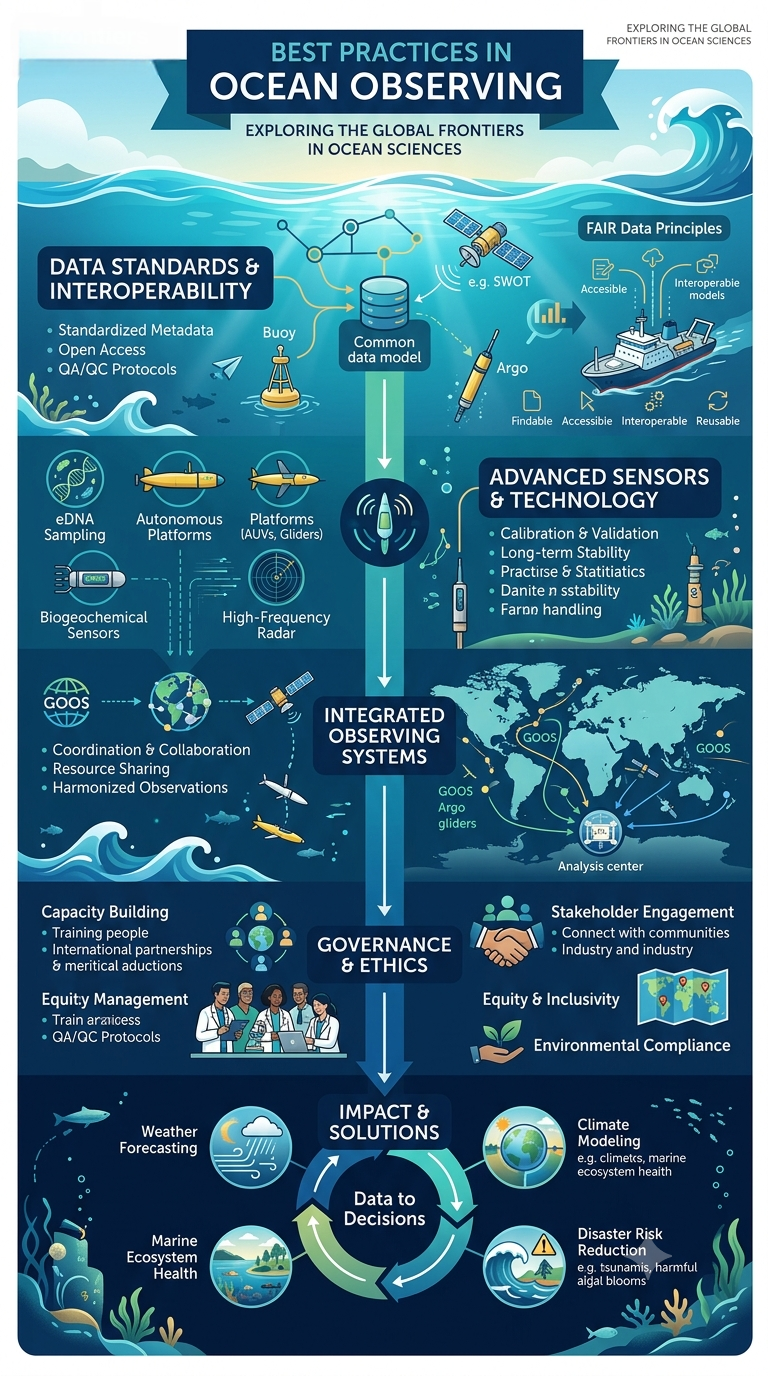
The ocean is vast, dynamic, and, quite frankly, difficult to monitor. From the crushing pressures of the deep sea to the rapidly shifting currents near our coasts, capturing a clear picture of what’s happening beneath the waves is one of the greatest scientific challenges of our time. It isn’t just about dropping a sensor into…
Continue Reading Beyond the Horizon: Why “Ocean Best Practices” are the Lifeblood of Our Blue Planet
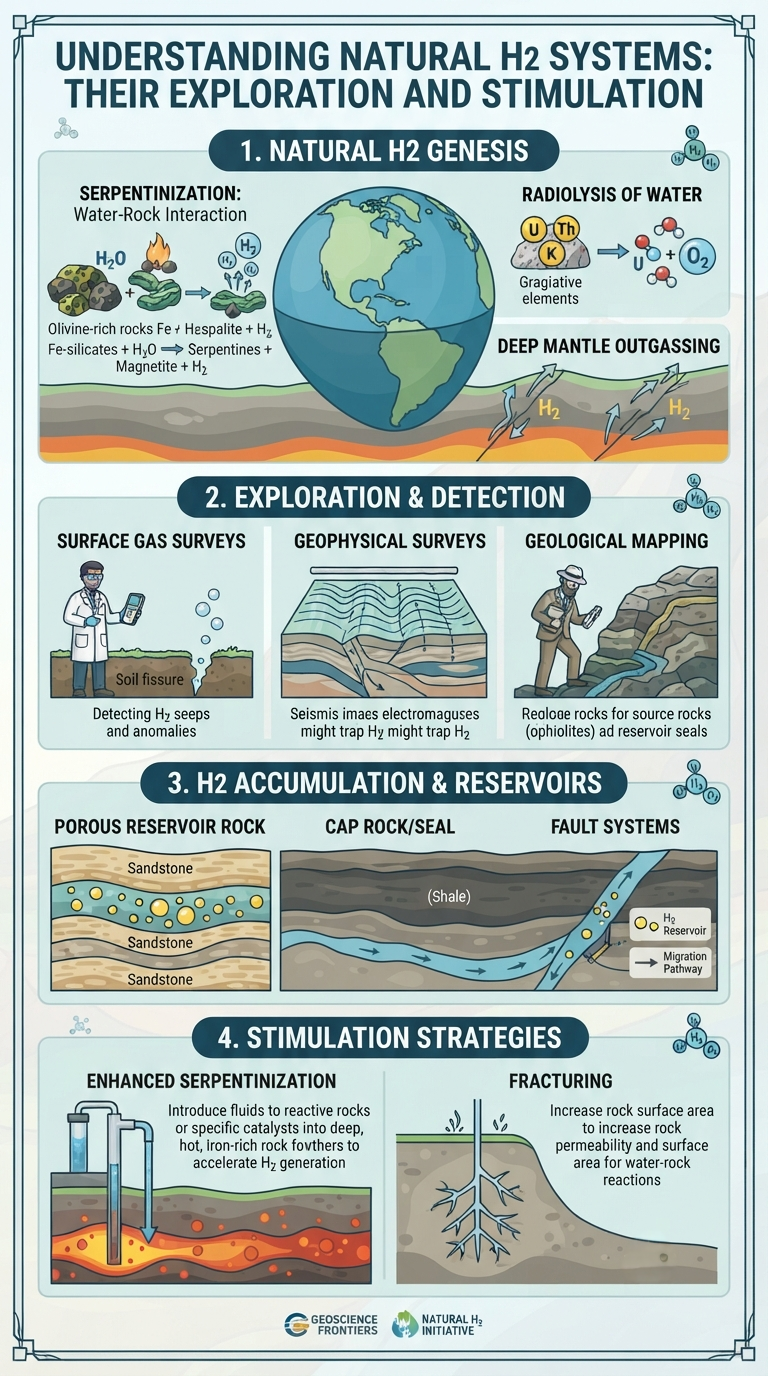
We often talk about hydrogen as the fuel of the future—a clean, powerful energy carrier that could finally help us break our reliance on fossil fuels. But what if the next big energy revolution isn’t about building massive factories, but about finding what’s already waiting for us beneath our feet? Welcome to the world of…
Continue Reading The Hidden Hydrogen Beneath Our Feet: Unlocking Earth’s Natural Energy
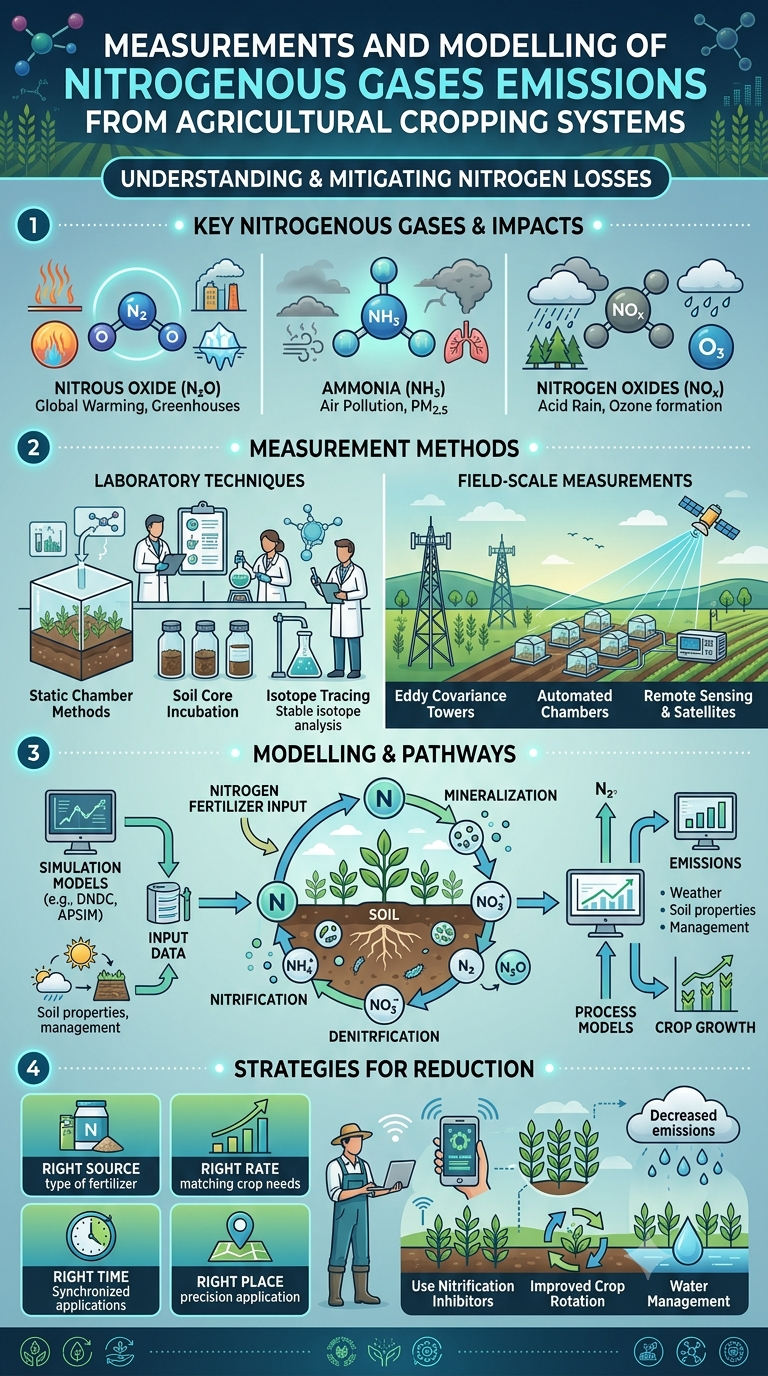
When we think about farming, we often picture lush green fields and the bounty of the harvest. But beneath the surface of those crops, a complex and invisible process is constantly unfolding—one that has a massive impact on our planet’s climate and air quality. At the heart of this process is nitrogen. While it’s an…
Continue Reading Cultivating a Cleaner Future: The Science Behind Nitrogen Emissions in Agriculture
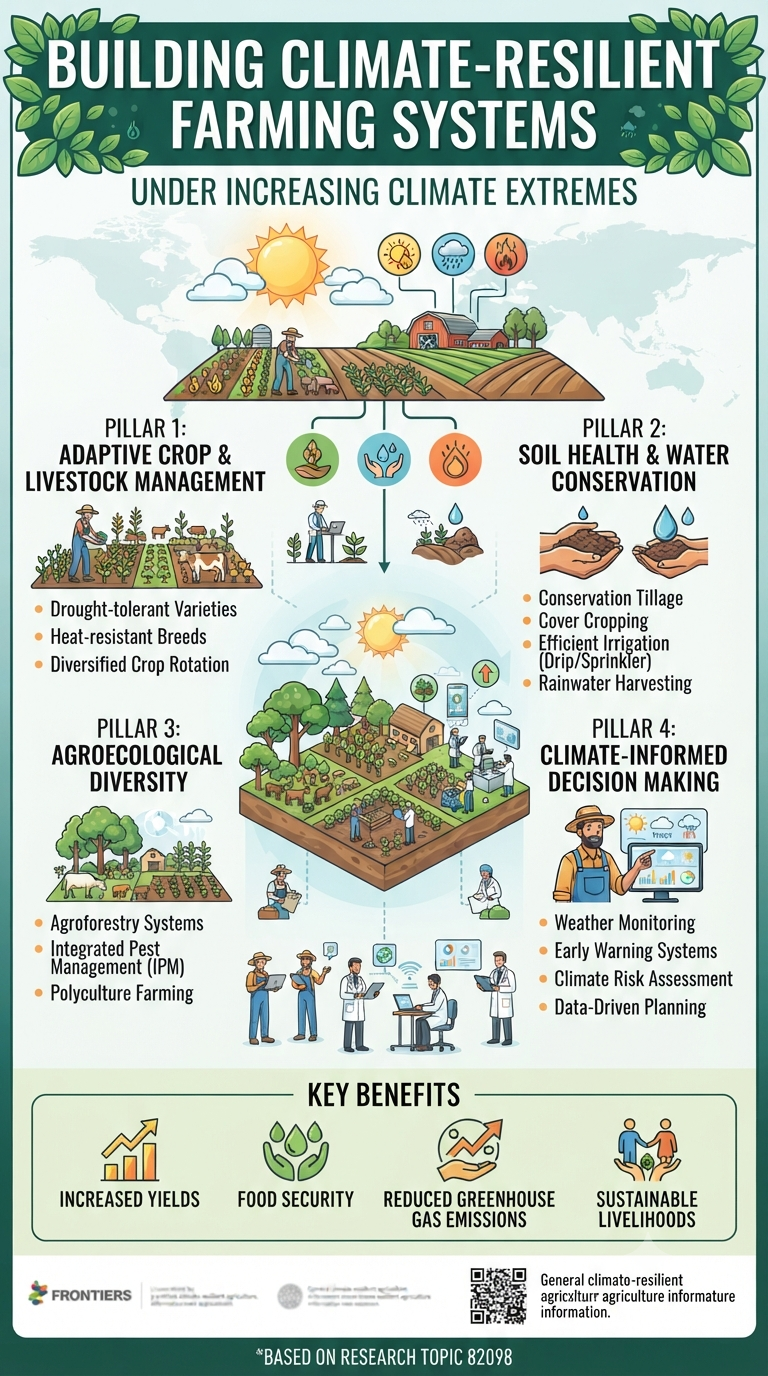
The face of agriculture is changing—and not just because of new technology or shifting markets. Farmers worldwide are increasingly finding themselves on the front lines of climate change, battling unpredictable weather patterns, rising temperatures, and more frequent climate extremes. But amidst these challenges, a new paradigm is emerging: climate-resilient farming. As illustrated in, moving toward…
Continue Reading Harvesting Hope: Building the Future of Farming in a Changing Climate
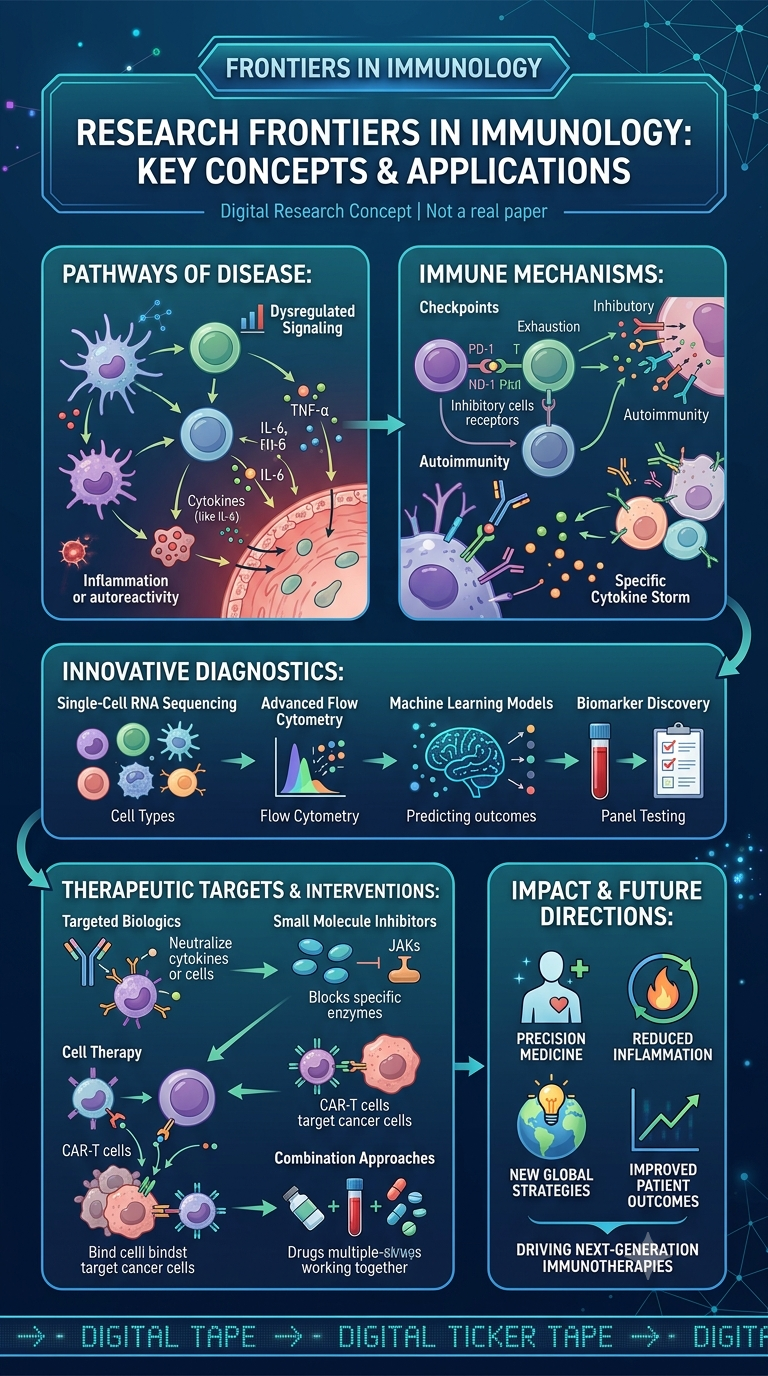
Have you ever wondered why, even when living under similar conditions, some of us seem to breeze through the years while others struggle with chronic health hurdles early on? We often chalk it up to “genetics” or “luck.” But what if there was a deeper, underlying rhythm to your body—a constitutional blueprint that dictates how…
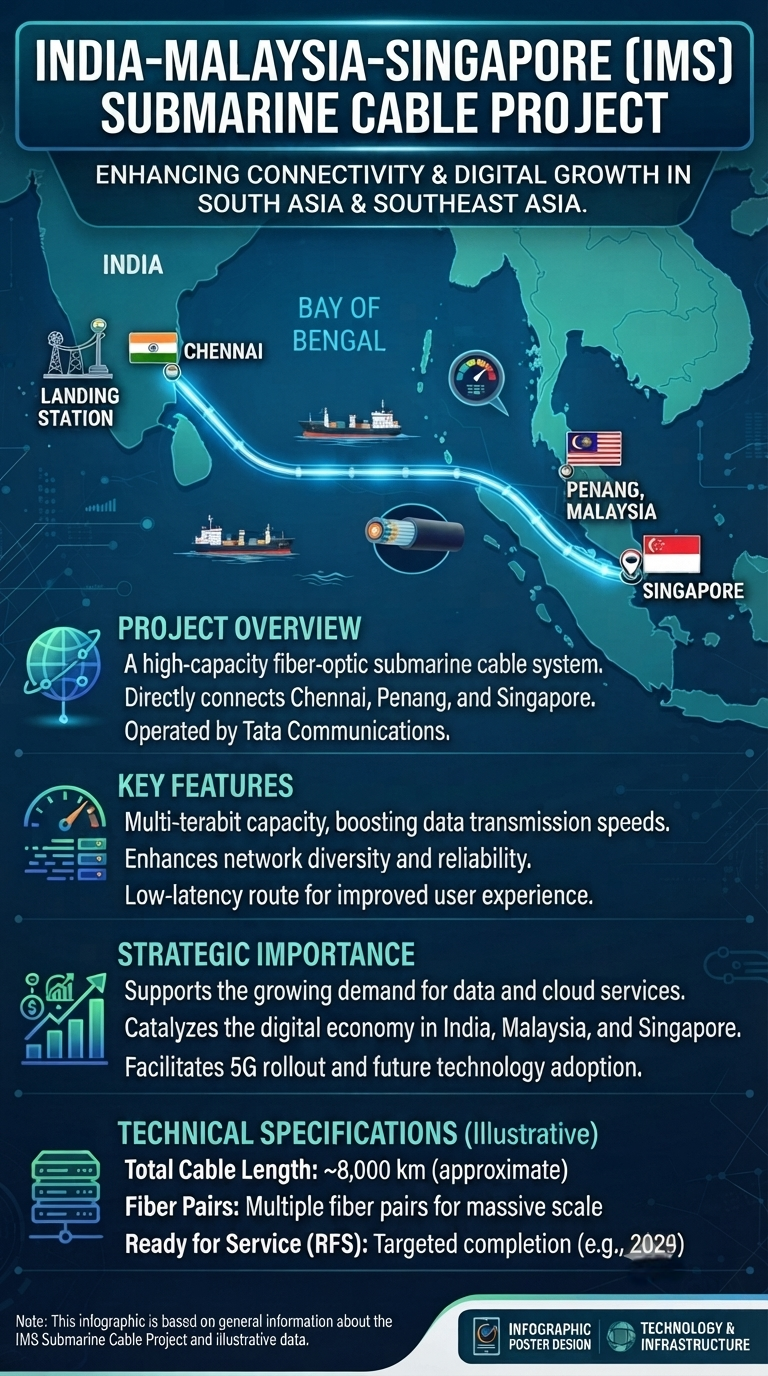
In our hyper-connected world, the internet feels like it exists in the “cloud,” but in reality, it relies on a vast, intricate network of physical cables hidden deep beneath the ocean floor. A major new development has just been unveiled that promises to strengthen the digital backbone connecting India, Malaysia, and Singapore. Known as the…
Continue Reading Bridging the Digital Divide: The New I-2SEA Submarine Cable Project

Hi, I’m Shreejith! As a BSc graduate from Mangalore University, I’ve always believed that learning should be both simple and visual. I started EduInfographic to bridge the gap between heavy academic text and clear understanding. Through my work here, I aim to transform intricate data into beautiful, bite-sized visuals that make complex information easier to digest for everyone.