We often talk about hydrogen as the fuel of the future—a clean, powerful energy carrier that could finally help us break our reliance on fossil fuels. But what if the next big energy revolution isn’t about building massive factories, but about finding what’s already waiting for us beneath our feet?
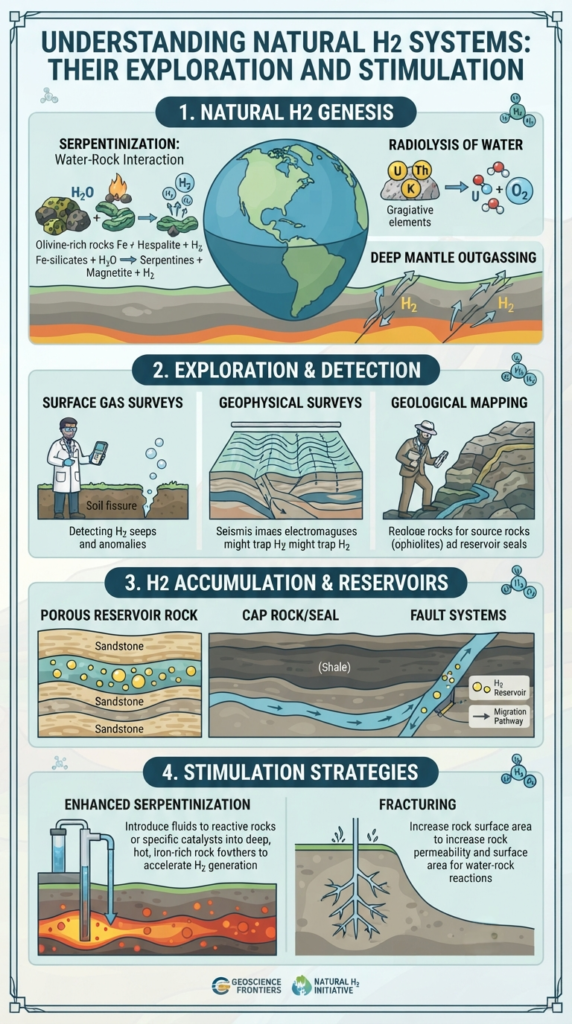
Welcome to the world of Natural Hydrogen (H2) Systems.
While we typically associate hydrogen production with industrial processes like electrolysis, geologists are increasingly looking at the Earth itself as a giant, naturally occurring hydrogen factory. As shown in the infographic, unlocking these natural reservoirs is becoming a major frontier in clean energy research.
How Does Earth “Make” Hydrogen?
Nature has been producing hydrogen for billions of years, often through processes that don’t involve us at all. Some of the primary drivers include:
- Serpentinization: This is the big one. When water interacts with olivine-rich, iron-bearing rocks deep underground, a chemical reaction occurs that strips oxygen from the water and releases hydrogen gas.
- Radiolysis of Water: Deep inside the Earth, radioactive elements (like uranium and thorium) decay, releasing energy that can literally split water molecules apart, creating hydrogen as a byproduct.
- Deep Mantle Outgassing: Sometimes, hydrogen is simply venting from the deep mantle, finding its way toward the surface through faults and fractures.
The Hunt: How Do We Find It?
Finding natural hydrogen is a bit like playing geological detective. Exploration teams use a mix of modern technology and classic field techniques to spot these hidden deposits:
- Surface Gas Surveys: Scientists check for hydrogen seeps—tiny amounts of gas escaping through soil fissures—that act as “bread crumbs” leading to larger reservoirs.
- Geophysical Surveys: Using seismic imaging, teams can “see” beneath the crust to identify structures that might trap gas.
- Geological Mapping: Experts survey the surface to find specific rock types, like ophiolites, that are known to act as source rocks for H2.
Storing and Capturing the Power
Just like oil and gas, natural hydrogen needs the right “house” to accumulate. We look for porous rocks (like sandstone) to hold the gas, and, crucially, a thick “cap rock” (like shale) to act as a seal, keeping the hydrogen trapped underground until we are ready to extract it. Fault systems often serve as the highways, providing migration pathways for the gas to travel from its deep-earth origin to these natural storage tanks.
Can We Turn Up the Volume?
Perhaps the most exciting part of this field is stimulation. Scientists are researching ways to speed up the Earth’s natural processes to generate more hydrogen on demand. This includes:
- Enhanced Serpentinization: By introducing specific fluids or catalysts into hot, iron-rich rock zones, we could potentially accelerate the rate at which these rocks produce hydrogen.
- Fracturing: By increasing the surface area of the rock through targeted fracturing, we improve permeability, allowing more water to contact the rock and fuel the chemical reactions that create hydrogen.
The Bottom Line
We are only just beginning to understand the scale of natural hydrogen systems. If we can master the exploration and stimulation of these resources, we might find that one of our cleanest energy solutions has been under our feet the whole time. The next energy boom might not be in the air or the sun—it might be deep in the Earth.
Cultivating a Cleaner Future: The Science Behind Nitrogen Emissions in Agriculture
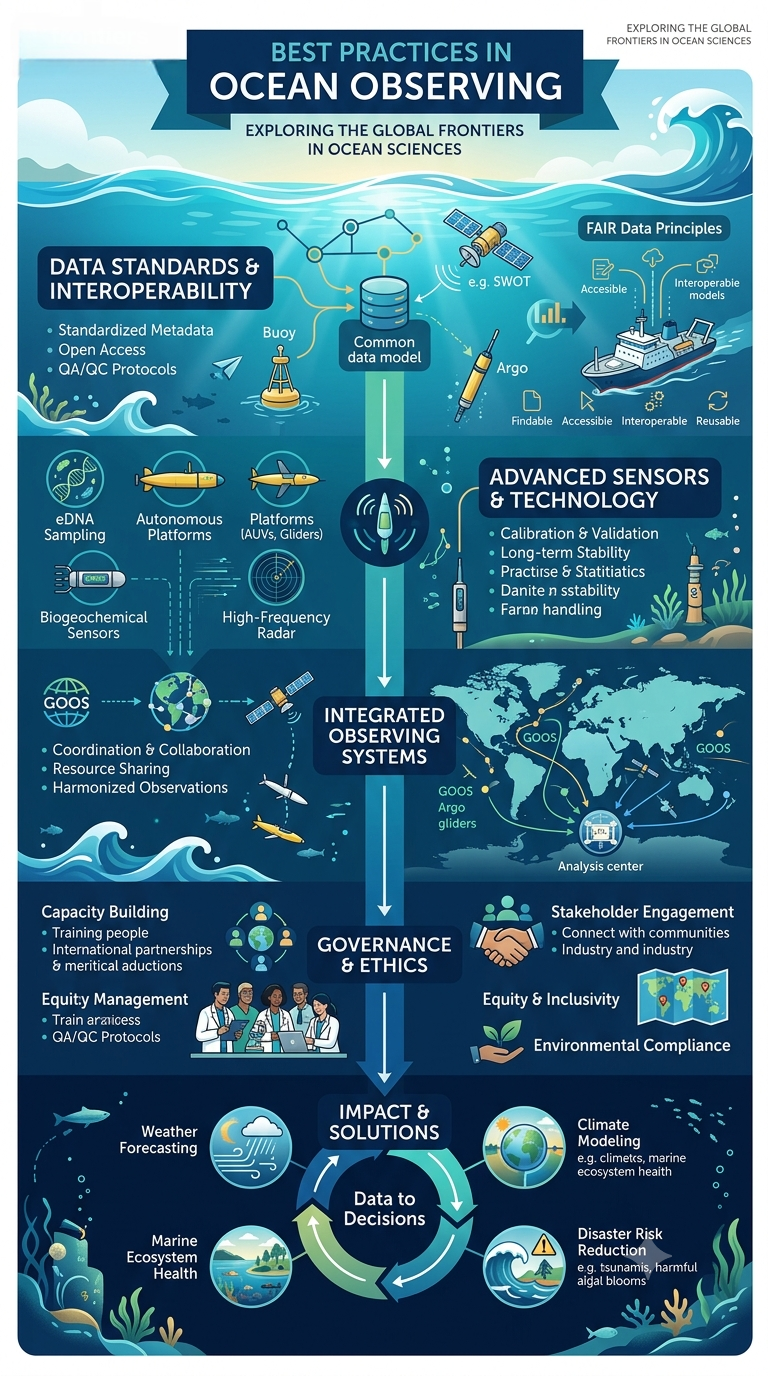
The ocean is vast, dynamic, and, quite frankly, difficult to monitor. From the crushing pressures of the deep sea to the rapidly shifting currents near our coasts, capturing a clear picture of what’s happening beneath the waves is one of the greatest scientific challenges of our time. It isn’t just about dropping a sensor into…
Continue Reading Beyond the Horizon: Why “Ocean Best Practices” are the Lifeblood of Our Blue Planet
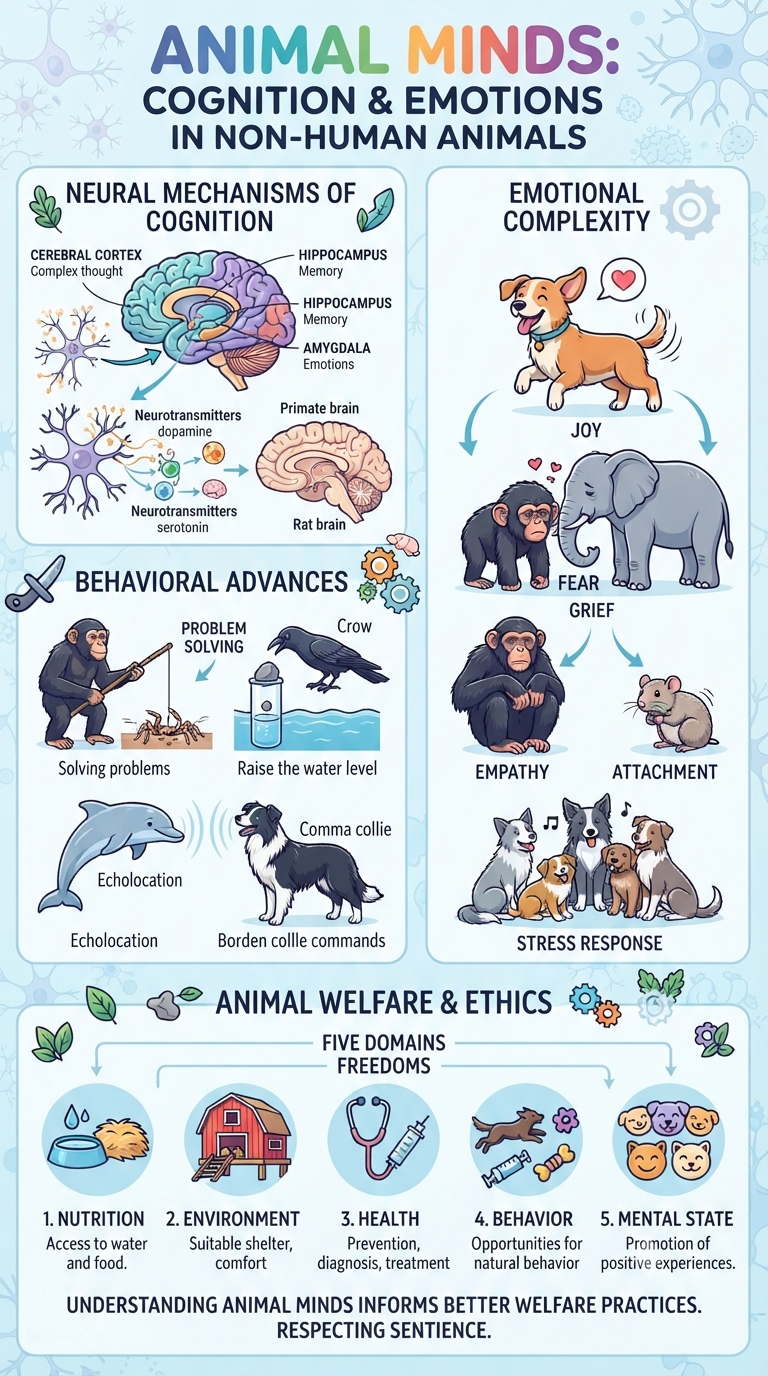
For generations, the traditional view of the animal kingdom was one of reactive machines—creatures driven solely by instinct and immediate survival. We observed them, we categorized them, but we rarely gave them credit for the rich, complex inner worlds they possess. Today, that paradigm is shifting. As seen in the latest research, a fascinating convergence…
Continue Reading Beyond Instinct: Unlocking the Secret Inner Lives of Animals
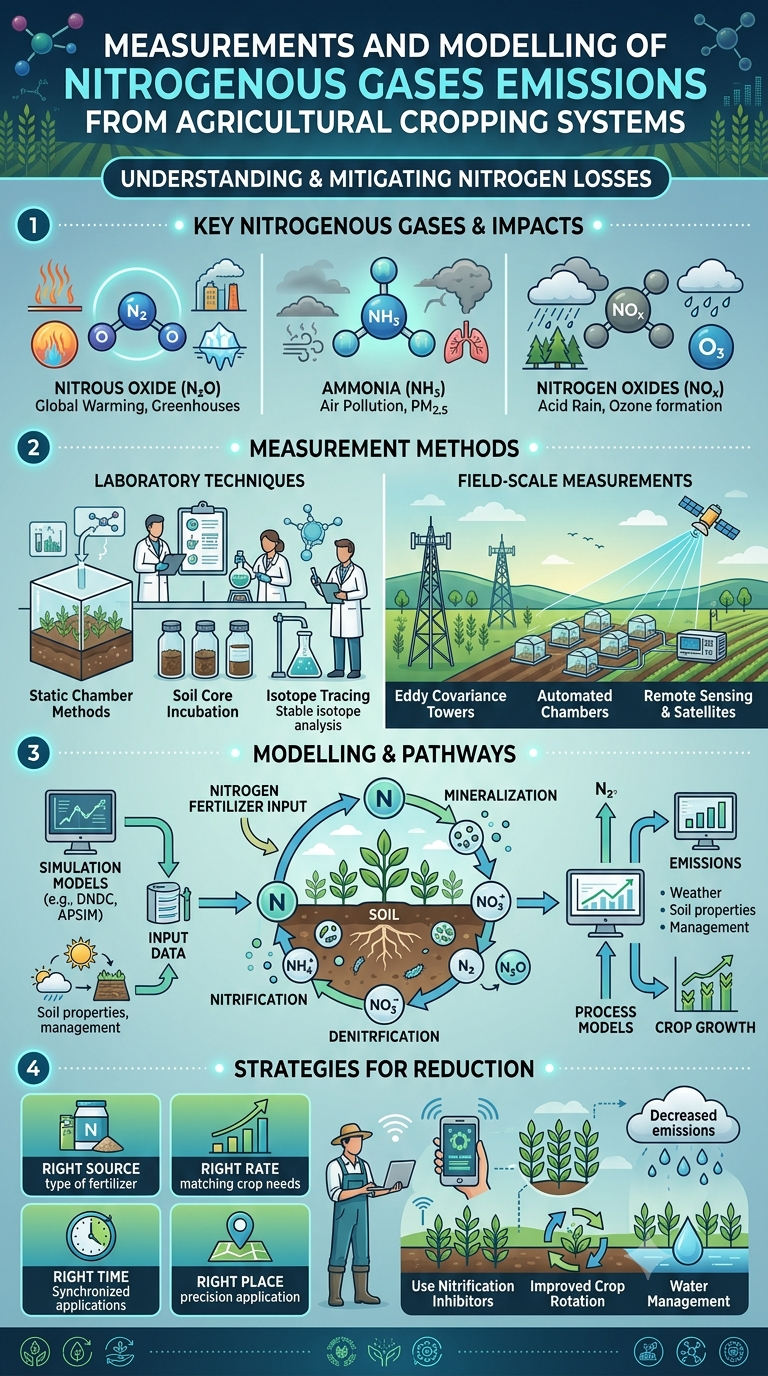
When we think about farming, we often picture lush green fields and the bounty of the harvest. But beneath the surface of those crops, a complex and invisible process is constantly unfolding—one that has a massive impact on our planet’s climate and air quality. At the heart of this process is nitrogen. While it’s an…
Continue Reading Cultivating a Cleaner Future: The Science Behind Nitrogen Emissions in Agriculture
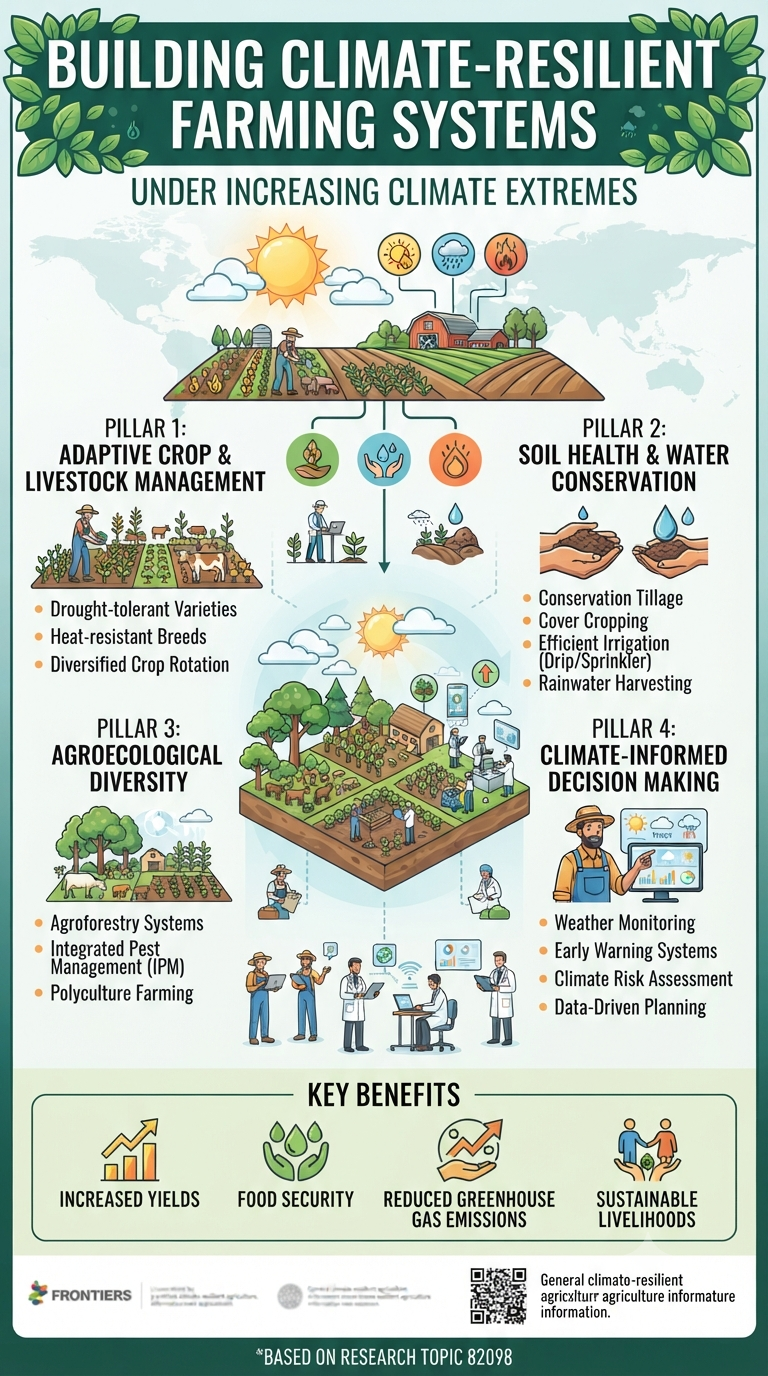
The face of agriculture is changing—and not just because of new technology or shifting markets. Farmers worldwide are increasingly finding themselves on the front lines of climate change, battling unpredictable weather patterns, rising temperatures, and more frequent climate extremes. But amidst these challenges, a new paradigm is emerging: climate-resilient farming. As illustrated in, moving toward…
Continue Reading Harvesting Hope: Building the Future of Farming in a Changing Climate
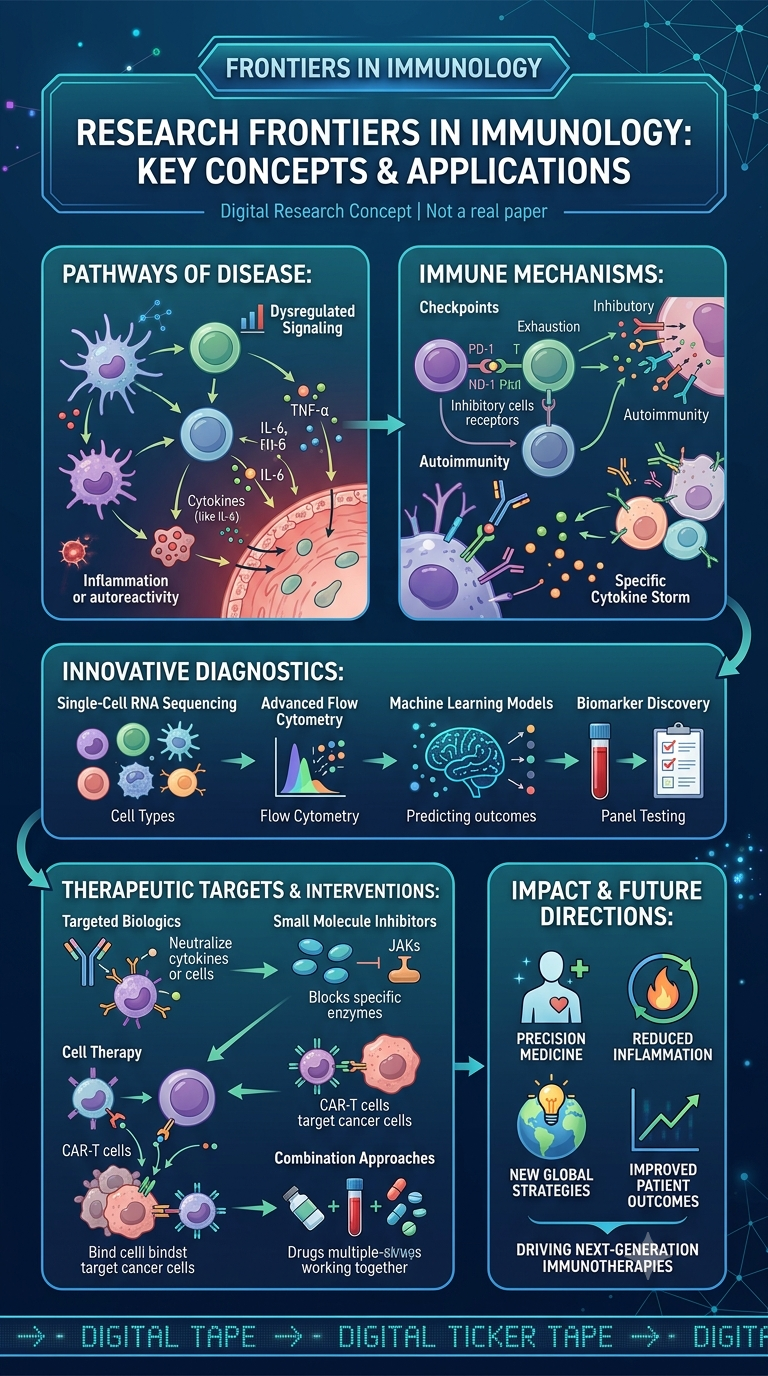
Have you ever wondered why, even when living under similar conditions, some of us seem to breeze through the years while others struggle with chronic health hurdles early on? We often chalk it up to “genetics” or “luck.” But what if there was a deeper, underlying rhythm to your body—a constitutional blueprint that dictates how…
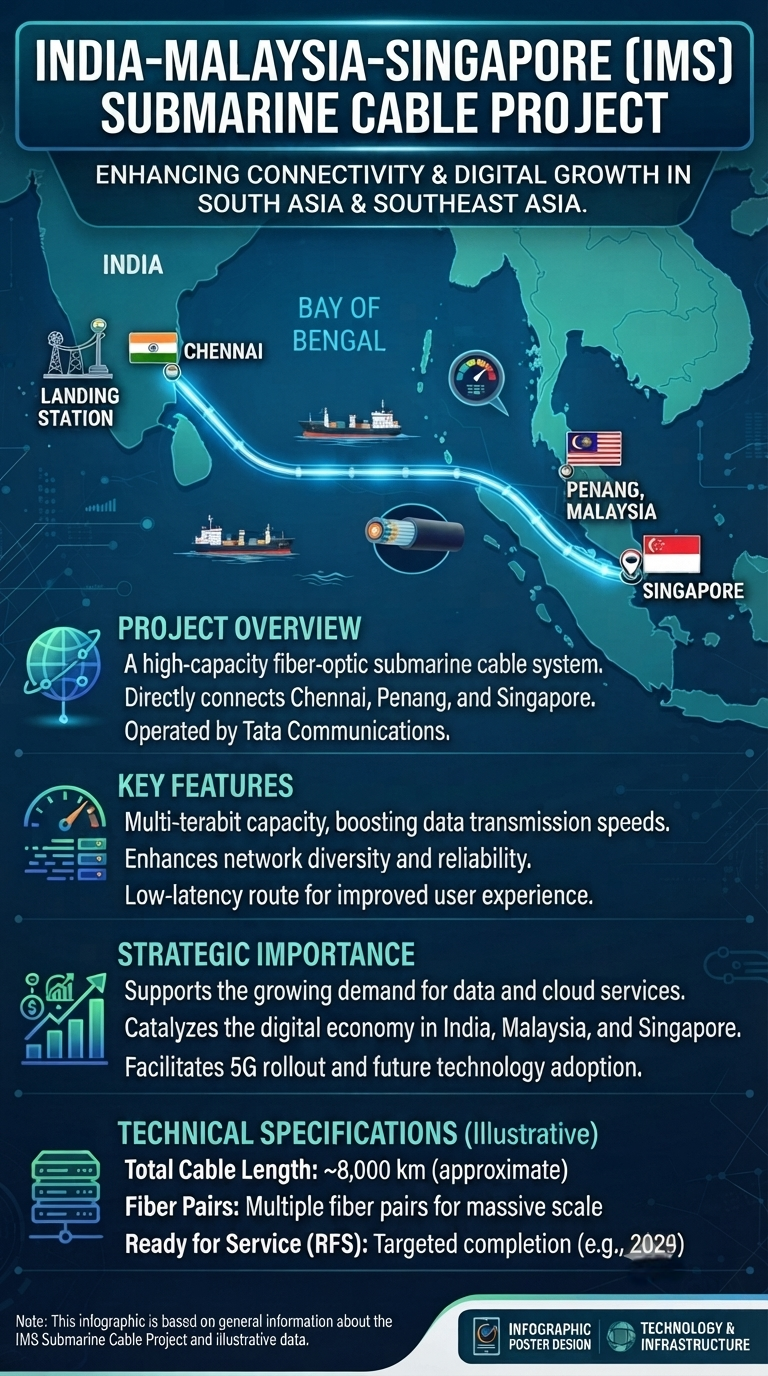
In our hyper-connected world, the internet feels like it exists in the “cloud,” but in reality, it relies on a vast, intricate network of physical cables hidden deep beneath the ocean floor. A major new development has just been unveiled that promises to strengthen the digital backbone connecting India, Malaysia, and Singapore. Known as the…
Continue Reading Bridging the Digital Divide: The New I-2SEA Submarine Cable Project

Hi, I’m Shreejith! As a BSc graduate from Mangalore University, I’ve always believed that learning should be both simple and visual. I started EduInfographic to bridge the gap between heavy academic text and clear understanding. Through my work here, I aim to transform intricate data into beautiful, bite-sized visuals that make complex information easier to digest for everyone.