Have you ever wondered why, even when living under similar conditions, some of us seem to breeze through the years while others struggle with chronic health hurdles early on?
We often chalk it up to “genetics” or “luck.” But what if there was a deeper, underlying rhythm to your body—a constitutional blueprint that dictates how your immune system responds to the world around you?
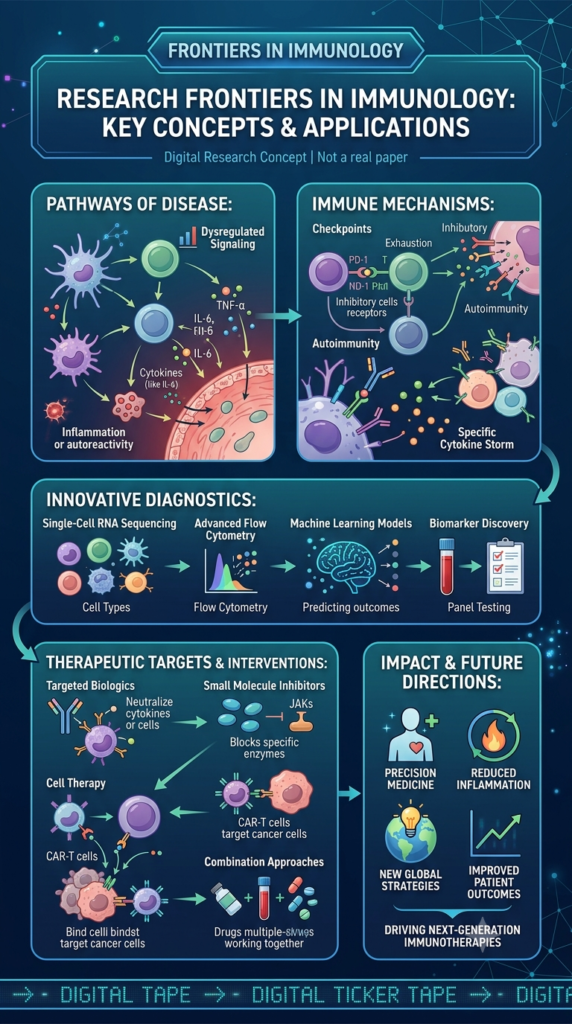
A groundbreaking new hypothesis published in Frontiers in Immunology is bridging the gap between ancient wisdom and cutting-edge science, exploring how something called Prakriti might just be the missing link in understanding “inflammaging.”
The “Inflammaging” Puzzle
“Inflammaging” is the term researchers use to describe that chronic, low-grade inflammation that tends to creep up as we age. It’s essentially a progressive imbalance—our immune system starts working a bit too hard, and the fire just never quite goes out.
But why does this happen at different speeds for everyone?
The answer, researchers suggest, lies in the “two-hit theory,” which looks at both our genetic code and our environment. They’ve now developed a conceptual framework to quantify this, introducing the Genetic Inflammatory Index (GII).
Meet Your GII: A New Kind of Biomarker
The GII is a mathematical way to measure your “constitutional inflammatory architecture.” By looking at specific cytokine single nucleotide polymorphisms (SNPs)—the tiny variations in your DNA—scientists can estimate your baseline inflammatory tone.
But here is where the story gets really interesting: they’ve turned to the traditional Indian system of Ayurveda for a unique stratification model.
- Vata and Pitta Dominance: If your constitutional phenotype leans toward these, the hypothesis suggests you might carry a pro-inflammatory genetic predisposition (GII > 0).
- Kapha Dominance: Conversely, those with a Kapha-dominant constitution are theorized to possess a form of genetic resilience against inflammation (GII < 0).
Why This Matters for the Future
Imagine a world where personalized medicine isn’t just about treating a symptom, but understanding your constitutional tendency before inflammation takes hold.
By categorizing individuals based on their Prakriti-based phenotypic stratification, we might move toward:
- Prioritized Healthcare: Identifying who needs closer monitoring for age-related decline.
- Smarter Vaccination Strategies: Tailoring immune support during public health challenges like epidemics or pandemics based on your specific inflammatory tone.
The infographic poster captures this high-level look at modern immunological research, showcasing how we are moving from basic disease pathways to advanced, data-driven diagnostics.
The Road Ahead
While this is still in the early stages, the potential is incredibly exciting. Researchers are currently outlining experimental strategies to test these hypotheses using “epigenetic clocks” in Prakriti-stratified studies.
We are essentially looking at the dawn of a new era—one where ancient concepts of body types and the modern precision of genomics meet to help us age not just longer, but better.
Curious to learn more? Check out the full study: Predicting Susceptibility to Inflammaging using a Genetic Inflammatory Index (GII) Through Prakriti-Based Phenotypic Stratification.
Disclaimer: This article discusses emerging research hypotheses. Always consult with qualified medical professionals regarding personal health concerns.
Bridging the Digital Divide: The New I-2SEA Submarine Cable Project
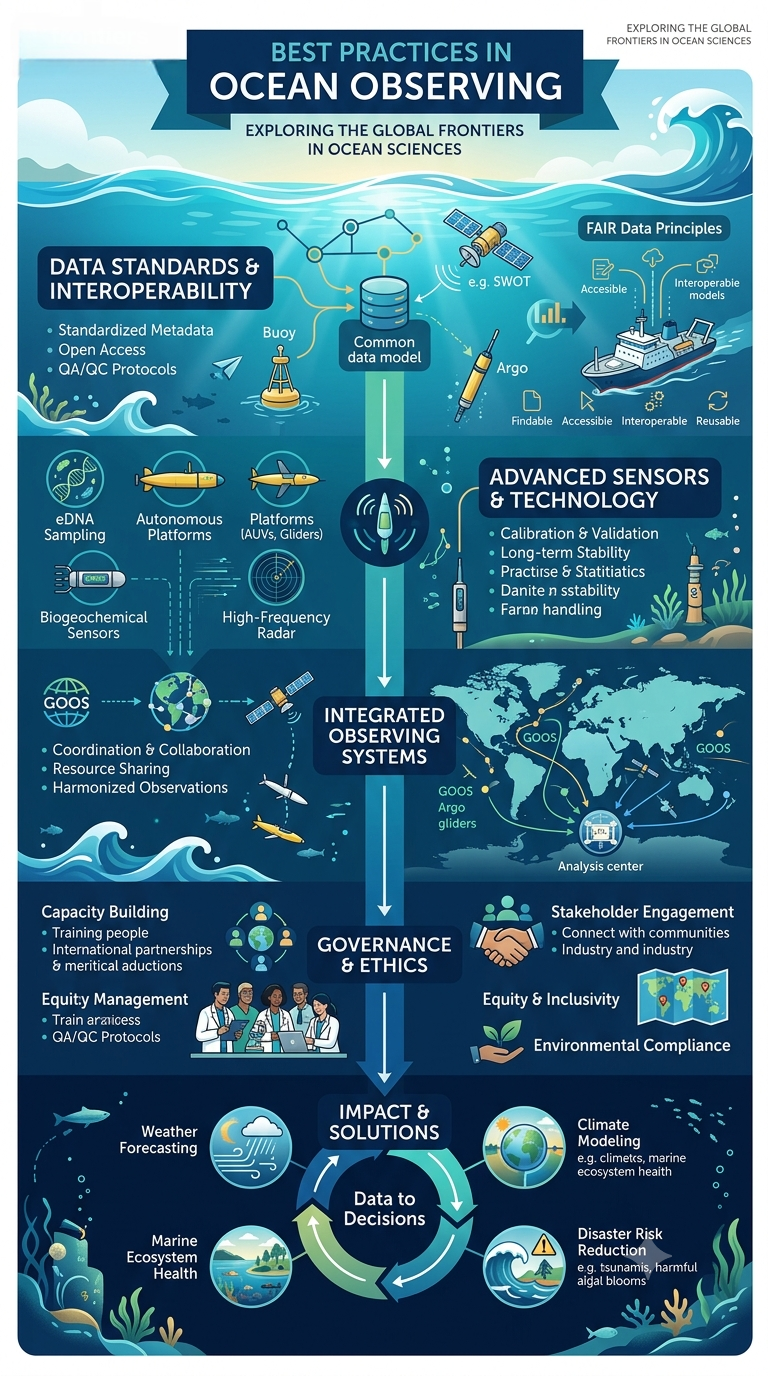
The ocean is vast, dynamic, and, quite frankly, difficult to monitor. From the crushing pressures of the deep sea to the rapidly shifting currents near our coasts, capturing a clear picture of what’s happening beneath the waves is one of the greatest scientific challenges of our time. It isn’t just about dropping a sensor into…
Continue Reading Beyond the Horizon: Why “Ocean Best Practices” are the Lifeblood of Our Blue Planet
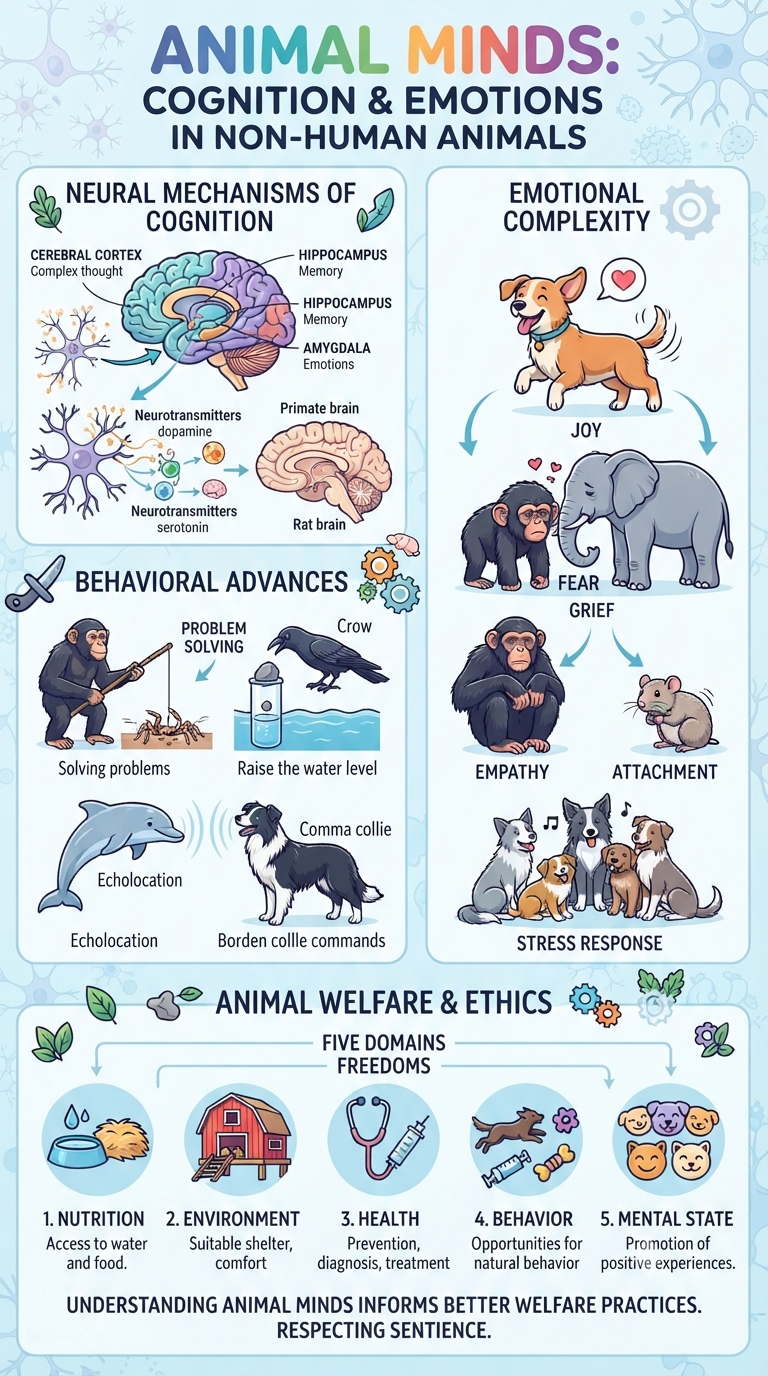
For generations, the traditional view of the animal kingdom was one of reactive machines—creatures driven solely by instinct and immediate survival. We observed them, we categorized them, but we rarely gave them credit for the rich, complex inner worlds they possess. Today, that paradigm is shifting. As seen in the latest research, a fascinating convergence…
Continue Reading Beyond Instinct: Unlocking the Secret Inner Lives of Animals
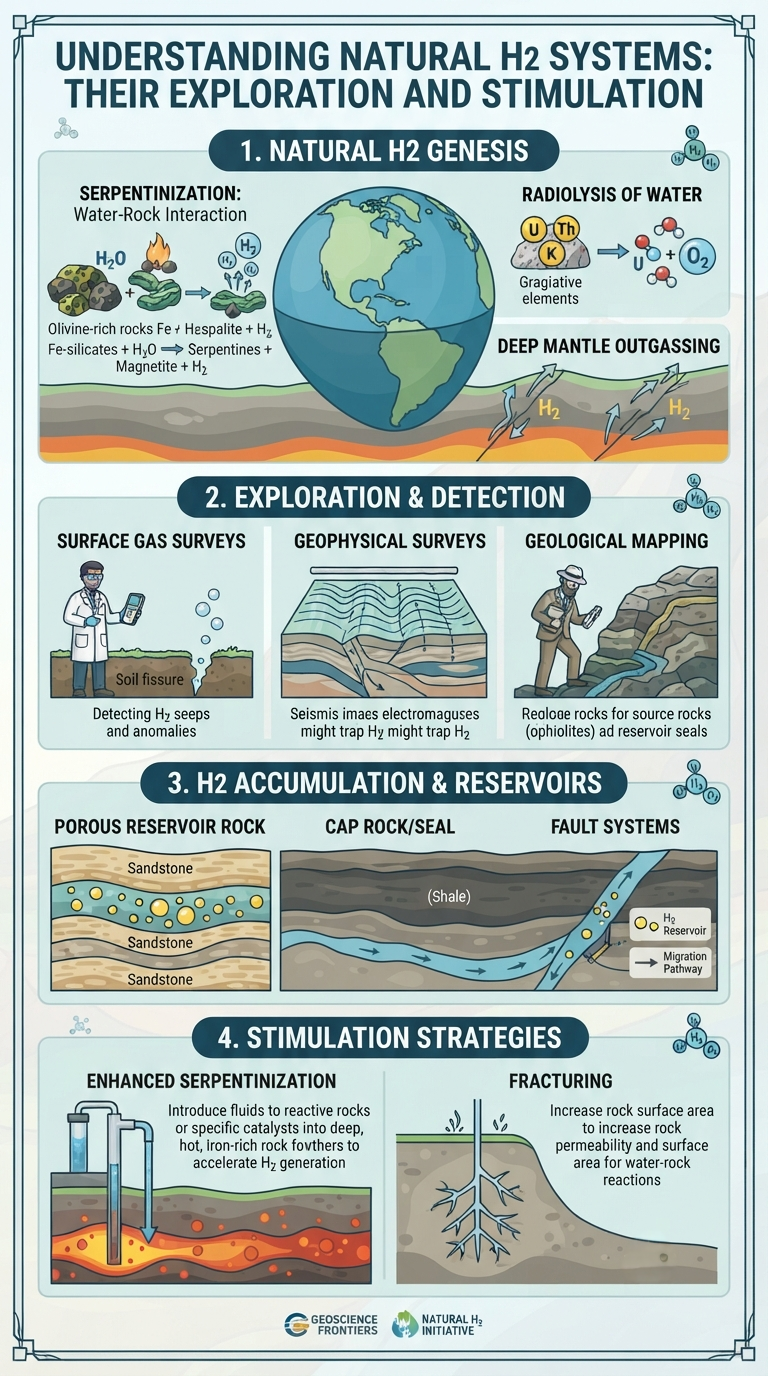
We often talk about hydrogen as the fuel of the future—a clean, powerful energy carrier that could finally help us break our reliance on fossil fuels. But what if the next big energy revolution isn’t about building massive factories, but about finding what’s already waiting for us beneath our feet? Welcome to the world of…
Continue Reading The Hidden Hydrogen Beneath Our Feet: Unlocking Earth’s Natural Energy
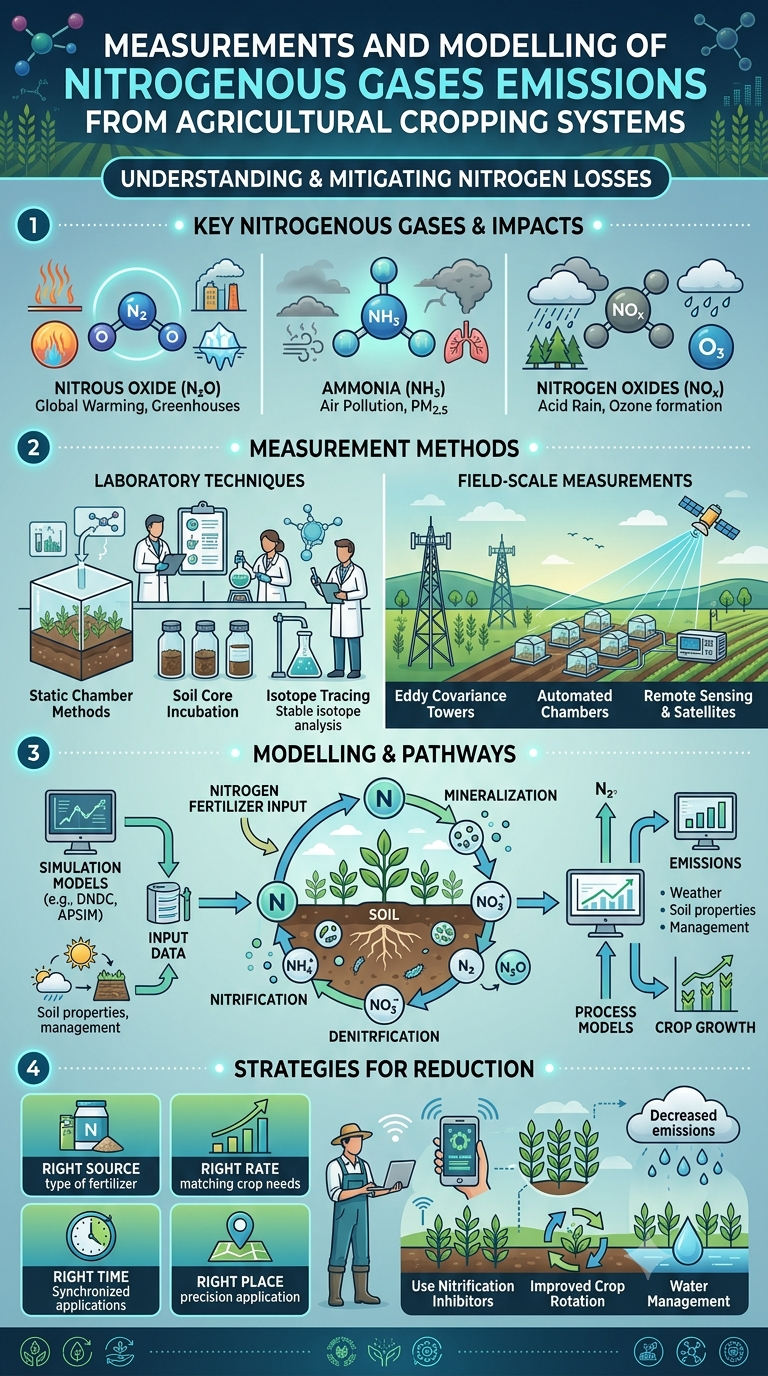
When we think about farming, we often picture lush green fields and the bounty of the harvest. But beneath the surface of those crops, a complex and invisible process is constantly unfolding—one that has a massive impact on our planet’s climate and air quality. At the heart of this process is nitrogen. While it’s an…
Continue Reading Cultivating a Cleaner Future: The Science Behind Nitrogen Emissions in Agriculture
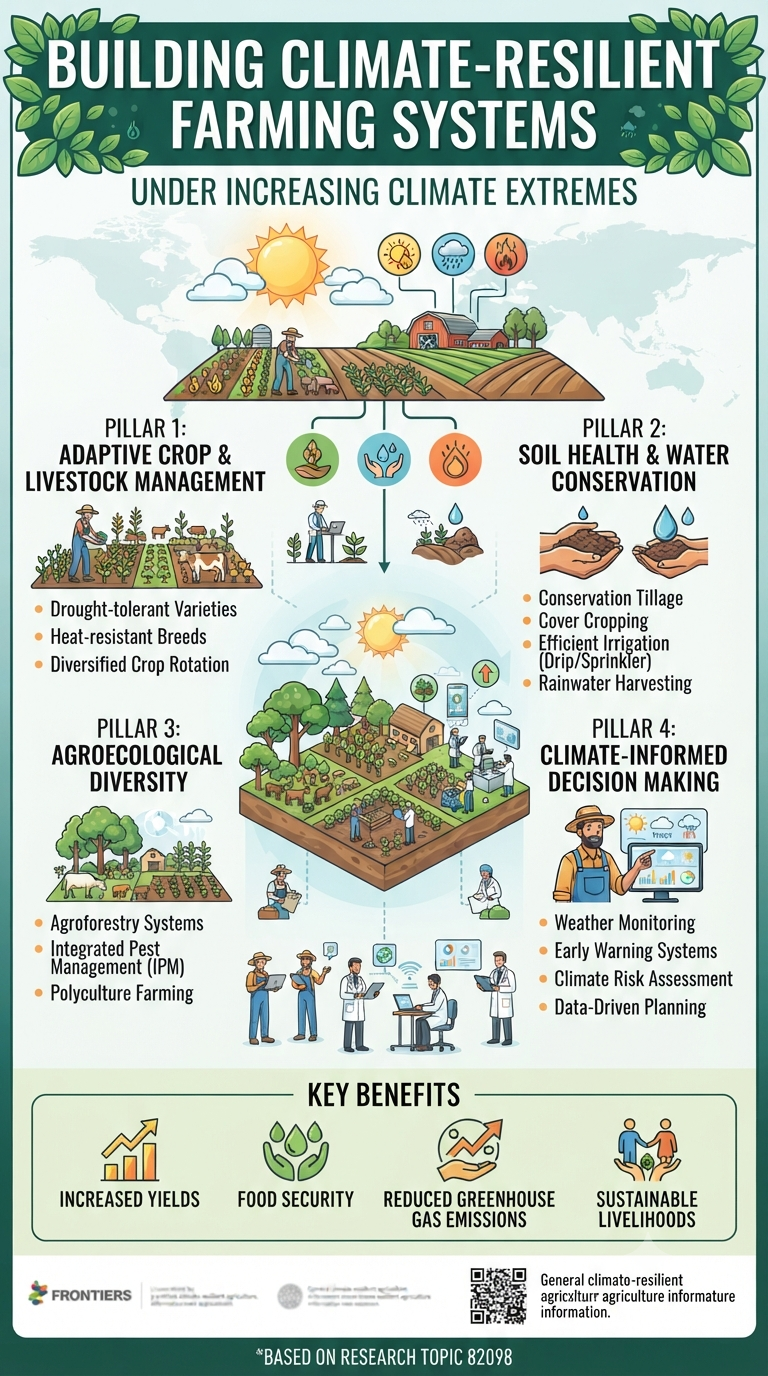
The face of agriculture is changing—and not just because of new technology or shifting markets. Farmers worldwide are increasingly finding themselves on the front lines of climate change, battling unpredictable weather patterns, rising temperatures, and more frequent climate extremes. But amidst these challenges, a new paradigm is emerging: climate-resilient farming. As illustrated in, moving toward…
Continue Reading Harvesting Hope: Building the Future of Farming in a Changing Climate
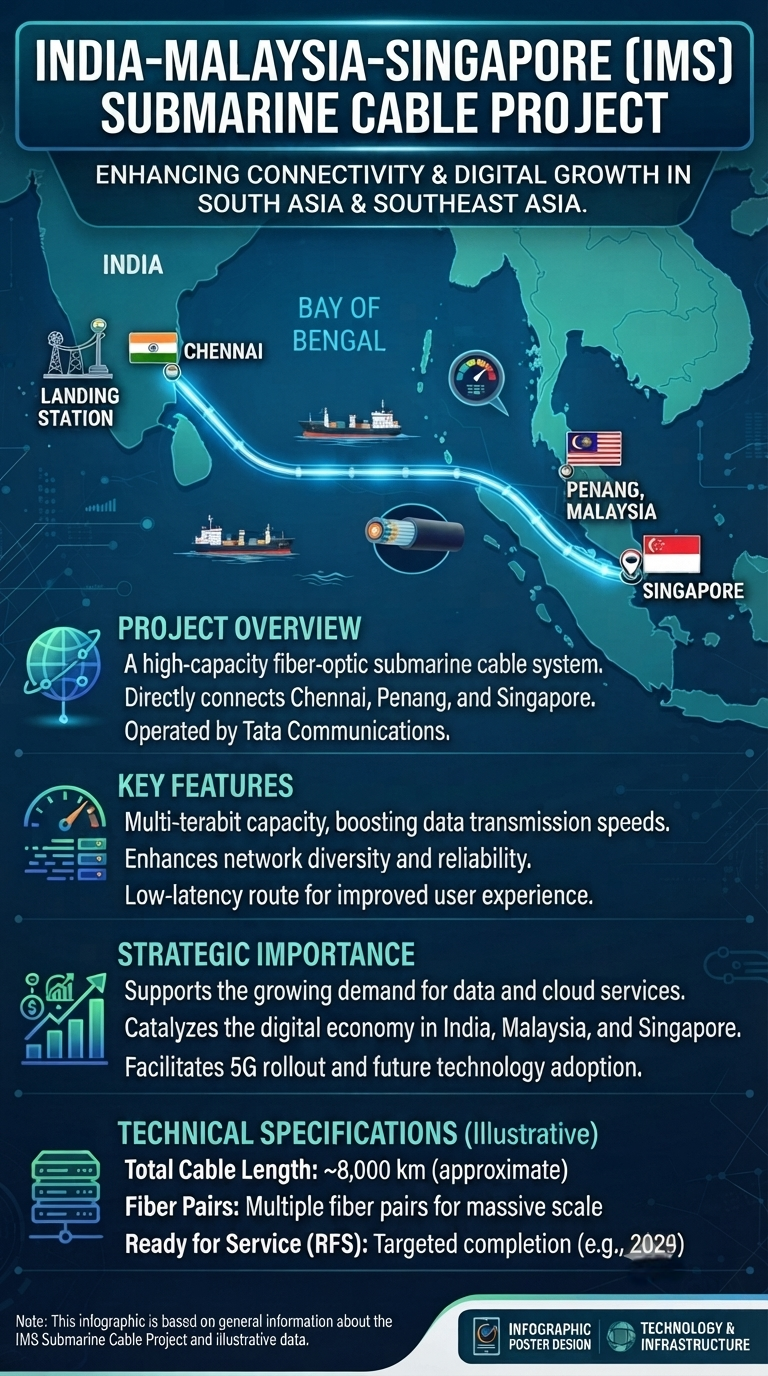
In our hyper-connected world, the internet feels like it exists in the “cloud,” but in reality, it relies on a vast, intricate network of physical cables hidden deep beneath the ocean floor. A major new development has just been unveiled that promises to strengthen the digital backbone connecting India, Malaysia, and Singapore. Known as the…
Continue Reading Bridging the Digital Divide: The New I-2SEA Submarine Cable Project

Hi, I’m Shreejith! As a BSc graduate from Mangalore University, I’ve always believed that learning should be both simple and visual. I started EduInfographic to bridge the gap between heavy academic text and clear understanding. Through my work here, I aim to transform intricate data into beautiful, bite-sized visuals that make complex information easier to digest for everyone.