In our hyper-connected world, the internet feels like it exists in the “cloud,” but in reality, it relies on a vast, intricate network of physical cables hidden deep beneath the ocean floor. A major new development has just been unveiled that promises to strengthen the digital backbone connecting India, Malaysia, and Singapore.
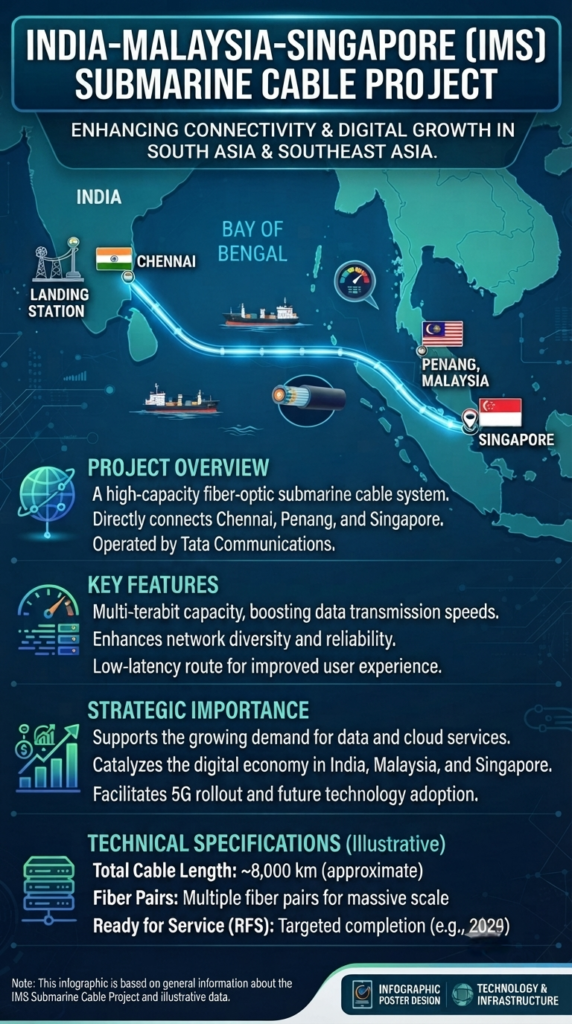
Known as the I-2SEA system (also referred to as the India-Malaysia-Singapore or IMS cable project), this ambitious venture is set to redefine how data travels across the region.
A Digital Superhighway Beneath the Waves
Unveiled on July 2, 2026, the I-2SEA system is designed to be a high-capacity fiber-optic link spanning approximately 3,600 kilometers. Unlike smaller, localized projects, this is a massive undertaking involving a consortium of industry giants, including Lightstorm, Microsoft, Singtel, and Tata Communications.
The technical heavy lifting is being handled by the Japanese multinational NEC Corporation, which has been appointed as the system supplier, while Singapore-based ASEAN Cableship serves as the marine installation partner.
The Route: Connecting Coastal Hubs
The physical path of this cable is strategic. It is planned to run from Singapore to Machilipatnam in India, with an additional landing point at South Chennai.
- Machilipatnam: This location is critical as it offers the shortest subsea access to Hyderabad, a major technology hub.
- South Chennai: As an established coastal landing location, it provides a reliable gateway for connecting India’s domestic networks to global fiber-optic routes.
Fueling the AI and Cloud Revolution
Why does this matter for the average person or business? The I-2SEA project isn’t just about faster browsing; it is built with the future in mind. The cable is specifically engineered to support hyperscalers, GPU infrastructure providers, and enterprises that manage demanding AI training and inference workloads.
As Lightstorm—the majority owner of thie project—aims to expand its connected AI and cloud zones across India from 19 to 29, this cable will provide the high-capacity, low-latency bandwidth necessary to support that growth. It effectively serves as a catalyst for the digital economy in all three nations, helping to facilitate 5G rollout and the adoption of next-generation technologies.
Looking Ahead
While the project is currently in the development phase, the roadmap is clear. The I-2SEA system is targeted for completion and is expected to be “Ready for Service” (RFS) by the fourth quarter of 2029.
As we inch closer to this date, the I-2SEA project stands as a testament to the ongoing need for robust infrastructure in the digital age. By linking the tech ecosystems of Singapore, Malaysia, and India, this submarine superhighway is paving the way for a more integrated and technologically advanced future.
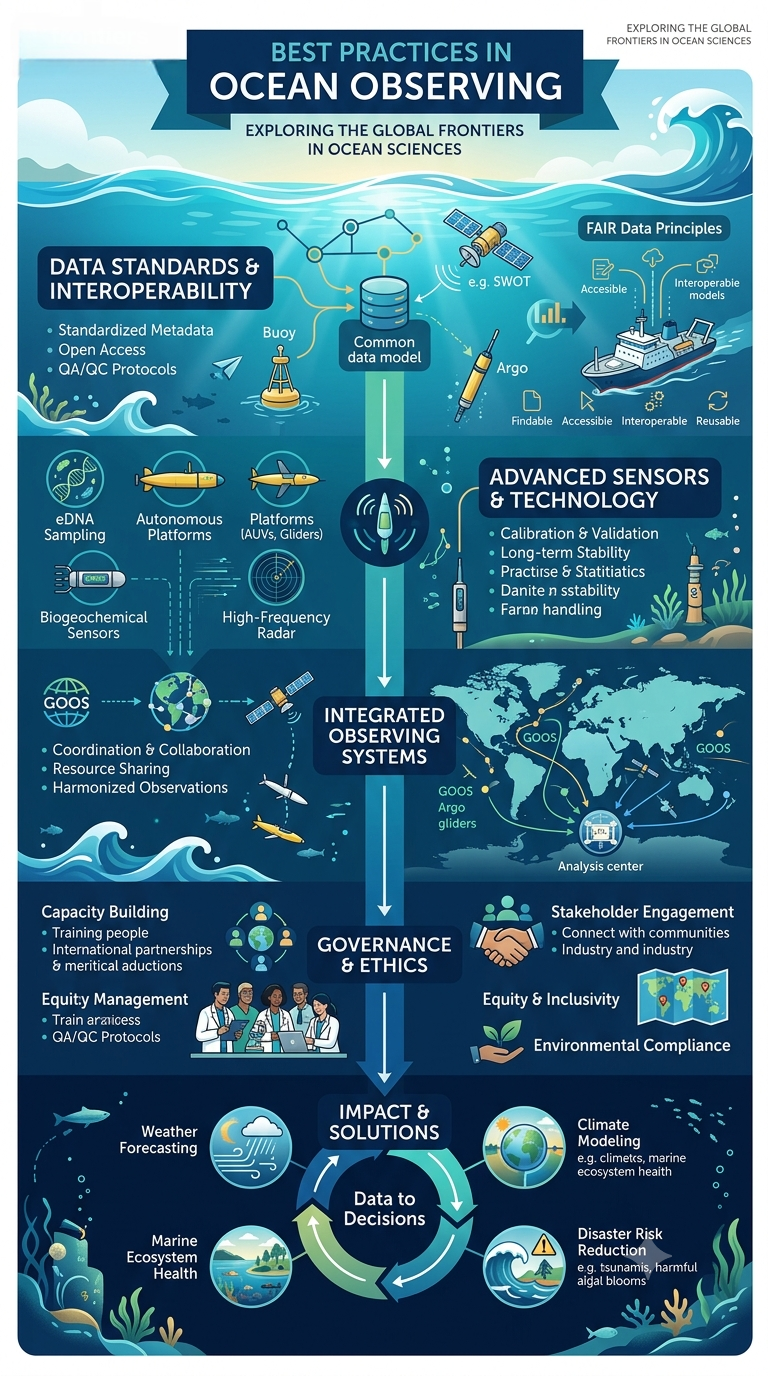
The ocean is vast, dynamic, and, quite frankly, difficult to monitor. From the crushing pressures of the deep sea to the rapidly shifting currents near our coasts, capturing a clear picture of what’s happening beneath the waves is one of the greatest scientific challenges of our time. It isn’t just about dropping a sensor into…
Continue Reading Beyond the Horizon: Why “Ocean Best Practices” are the Lifeblood of Our Blue Planet
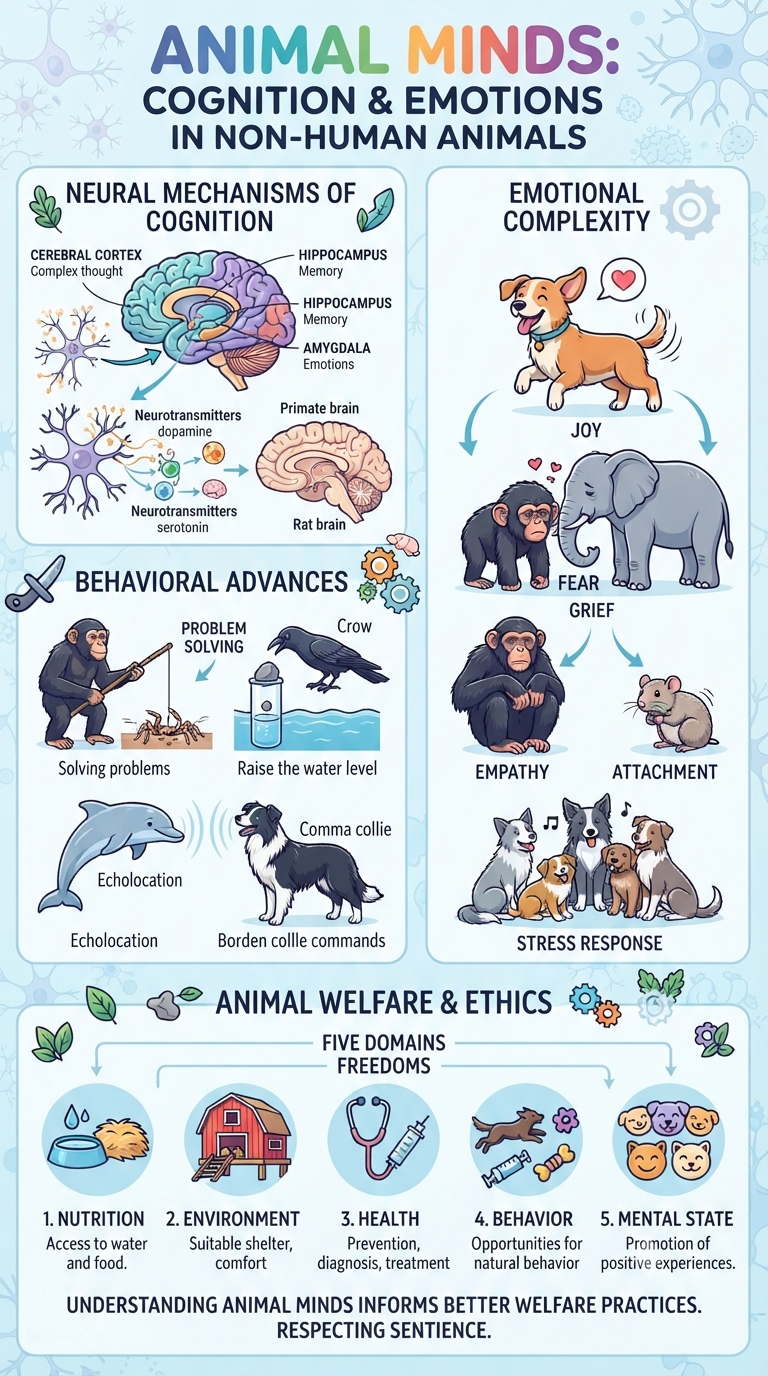
For generations, the traditional view of the animal kingdom was one of reactive machines—creatures driven solely by instinct and immediate survival. We observed them, we categorized them, but we rarely gave them credit for the rich, complex inner worlds they possess. Today, that paradigm is shifting. As seen in the latest research, a fascinating convergence…
Continue Reading Beyond Instinct: Unlocking the Secret Inner Lives of Animals
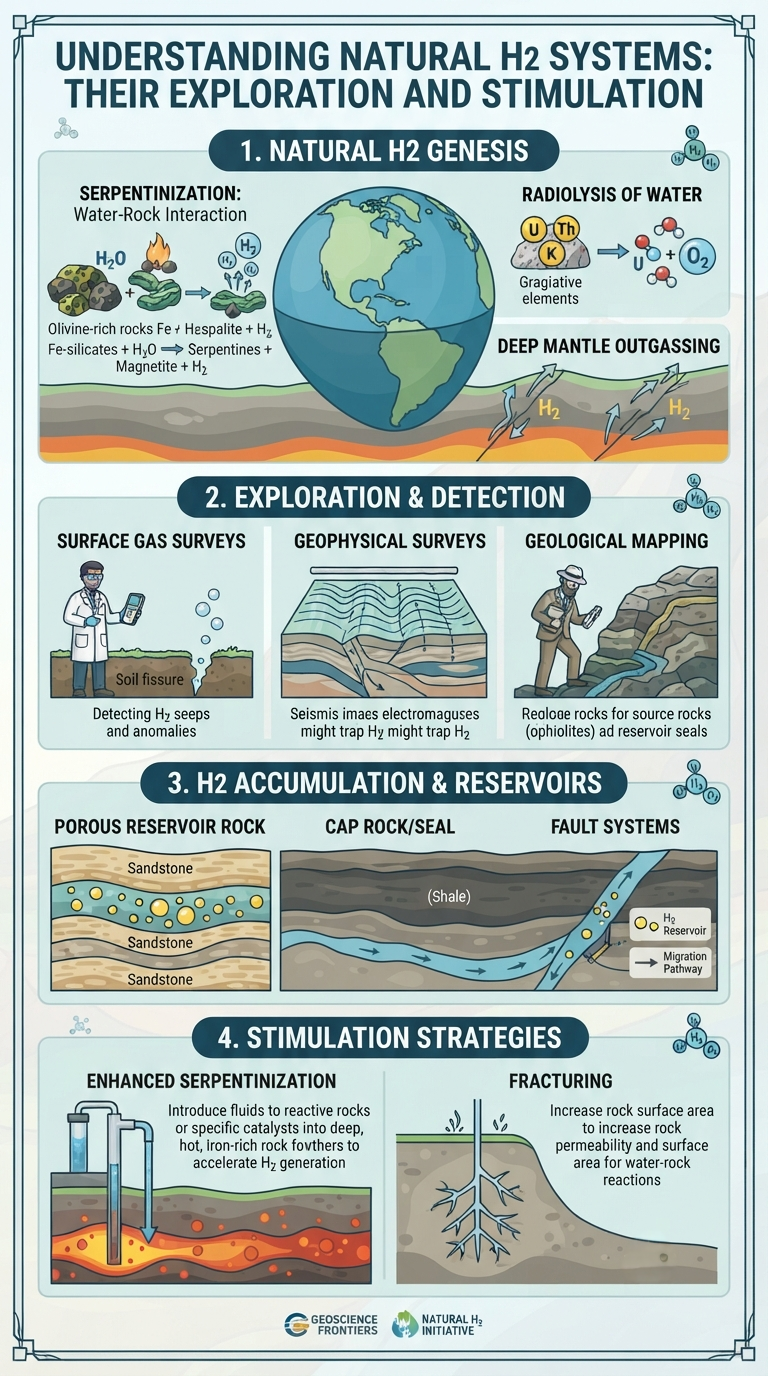
We often talk about hydrogen as the fuel of the future—a clean, powerful energy carrier that could finally help us break our reliance on fossil fuels. But what if the next big energy revolution isn’t about building massive factories, but about finding what’s already waiting for us beneath our feet? Welcome to the world of…
Continue Reading The Hidden Hydrogen Beneath Our Feet: Unlocking Earth’s Natural Energy
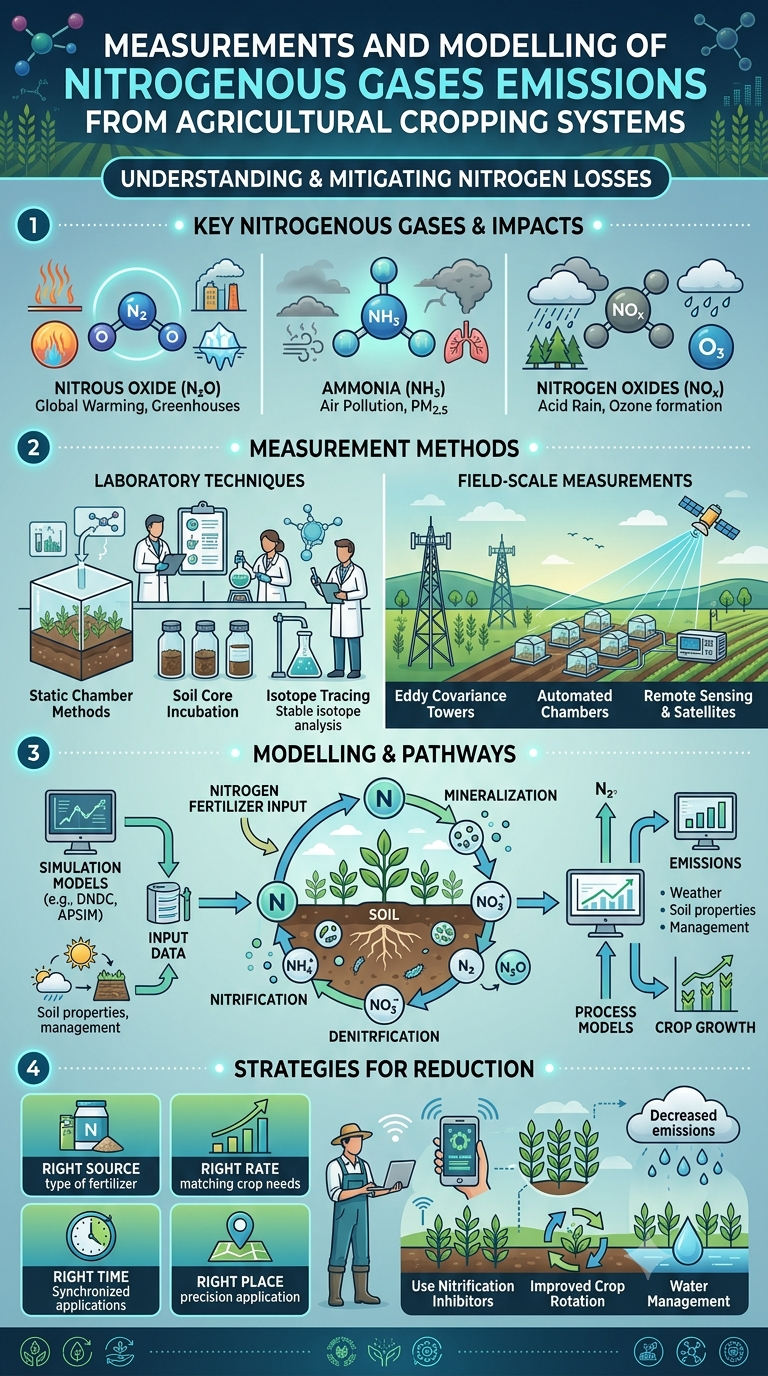
When we think about farming, we often picture lush green fields and the bounty of the harvest. But beneath the surface of those crops, a complex and invisible process is constantly unfolding—one that has a massive impact on our planet’s climate and air quality. At the heart of this process is nitrogen. While it’s an…
Continue Reading Cultivating a Cleaner Future: The Science Behind Nitrogen Emissions in Agriculture
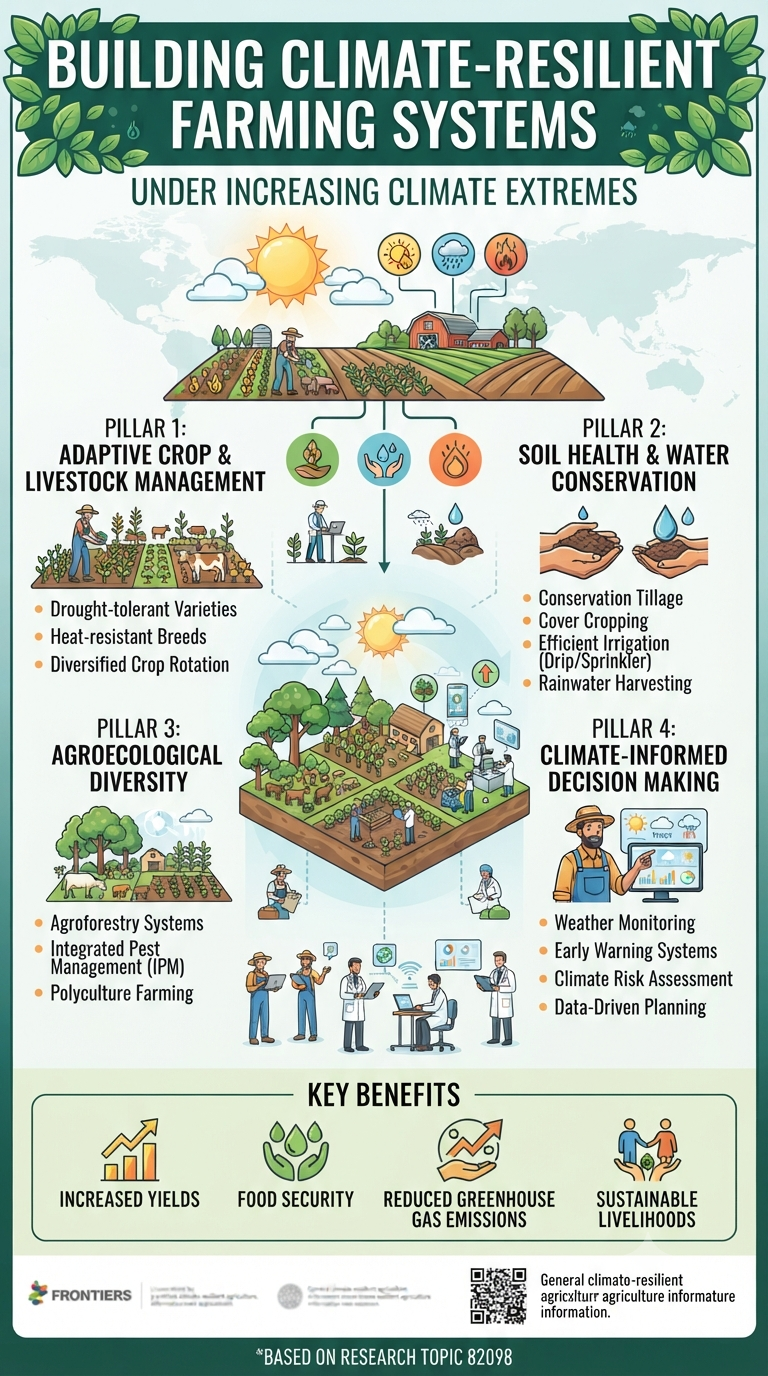
The face of agriculture is changing—and not just because of new technology or shifting markets. Farmers worldwide are increasingly finding themselves on the front lines of climate change, battling unpredictable weather patterns, rising temperatures, and more frequent climate extremes. But amidst these challenges, a new paradigm is emerging: climate-resilient farming. As illustrated in, moving toward…
Continue Reading Harvesting Hope: Building the Future of Farming in a Changing Climate
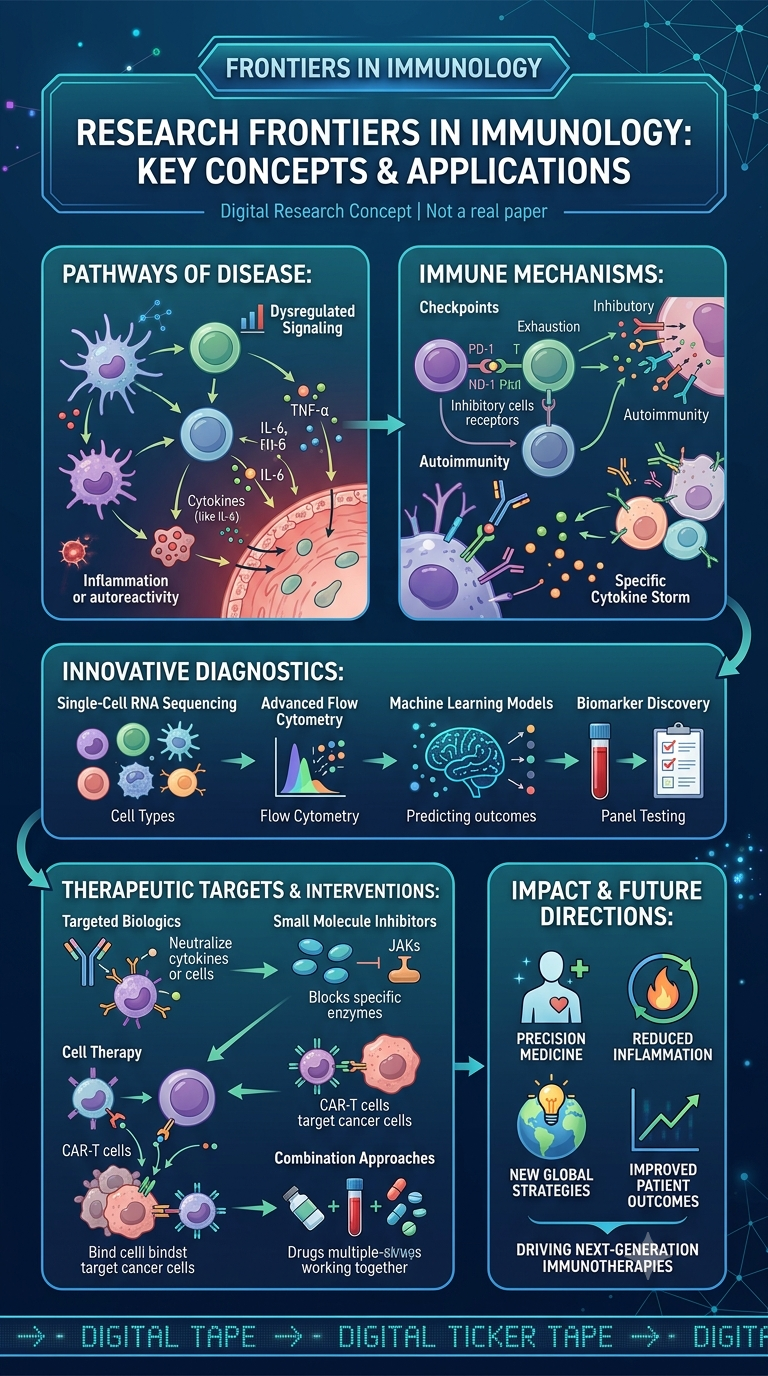
Have you ever wondered why, even when living under similar conditions, some of us seem to breeze through the years while others struggle with chronic health hurdles early on? We often chalk it up to “genetics” or “luck.” But what if there was a deeper, underlying rhythm to your body—a constitutional blueprint that dictates how…

Hi, I’m Shreejith! As a BSc graduate from Mangalore University, I’ve always believed that learning should be both simple and visual. I started EduInfographic to bridge the gap between heavy academic text and clear understanding. Through my work here, I aim to transform intricate data into beautiful, bite-sized visuals that make complex information easier to digest for everyone.